
★★★★★
Creating a Legacy of Values
$45.00
What guides you when no one’s watching? It’s time to name it — and live it on purpose.
Most of us carry the same five to nine core values for our entire adult life — what actually shifts, decade to decade, is the ranking. Freedom and happiness might have topped your list at twenty; work and recognition may have taken over during your career; contentment, connection, or something else may be rising now. In this reflective mini-course, Dr. Mary Flett helps you name your own core values, trace where they came from, and take an honest look at the gap between the values you live day to day and the values you aspire to.
Because that gap — between who you are and who you want to be — is where real growth happens, if you let it. This course helps you turn that tension into something useful: clearer, more confident decisions about caregiving, where you live, who speaks for you in a health crisis, and how you spend your time and resources.
You’ll walk away knowing how to:
- Name your own core set of values, and notice how the ranking has shifted over your life
- Trace your values back to family, culture, and spiritual roots — and choose, consciously, which to keep
- Spot the gap between your lived values and your ideal values without spiraling into guilt
- Put your values to work on real decisions: caregiving, living arrangements, healthcare advocacy, and how you share your time and money
Who it’s for:
Older adults and adult children — actually, anyone ready to make the big decisions — about caregiving, where to live, who to trust with hard calls — from clarity instead of default.
What’s included:
A guided video lecture with slide deck, plus a companion workbook with a values inventory, reflection prompts, and a real-decisions exercise.
pdf download link provided when your payment is collected.
All materials provided are solely for educational purposes and do not constitute legal or tax advice.
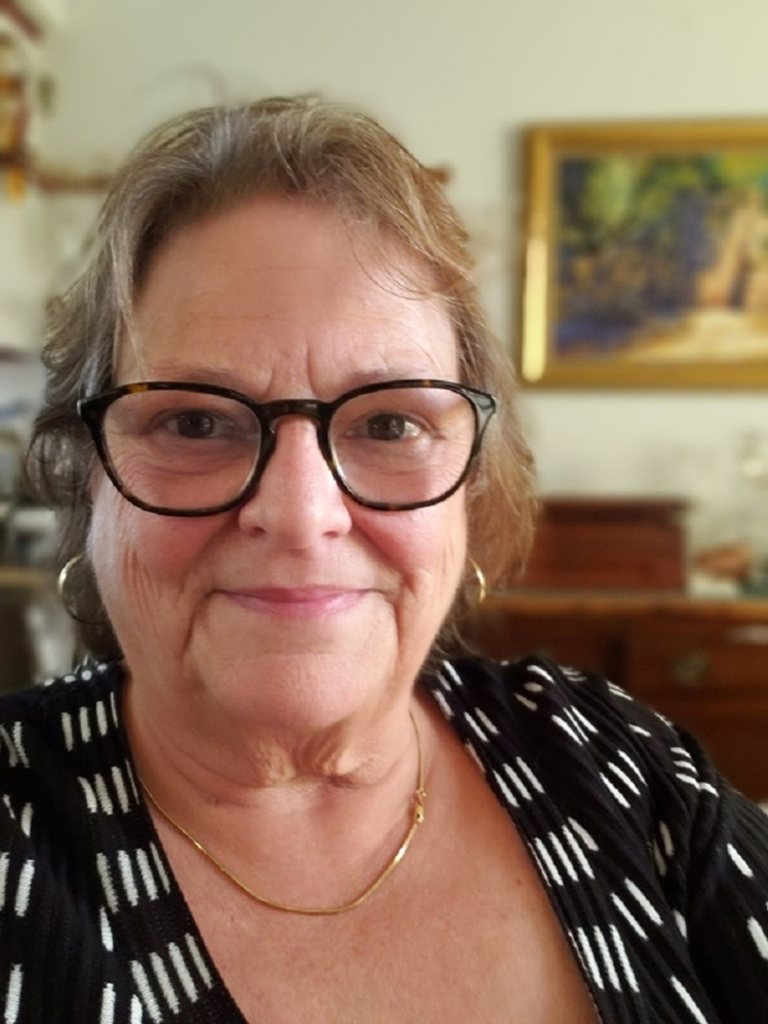
About mary l. flett, phd
Dr. Mary is a psychologist with 30 years of clinical experience in aging and later life. She is the creator of the Five Pillars of Aging framework and shares her knowledge and experience through these self-paced courses, in her long-running blog on aging, and as a national speaker. Now retired from private practice, she consults with non-profits and policy advocates from her home in the Bay Area. Learn more and explore the full range of topics in her Lecture Library at drmaryflett.com
Take a look at what you’ll get . . .
SESSION 1
Why these conversations matter
You know these conversations are important — you wish your parents had had them with you! But you find yourself avoiding them. Understand what’s really driving the avoidance — on your side and theirs. Identify the gaps in what your children currently know. Leave with a clear first step.
SESSION 2
What should I say?
How to choose the right moment, the right setting, and the right opening. Learn what to do when your kids cry, get angry, shut down, or try to take over. Practice until it feels possible using prompts and examples that will help you remove the barrier to your connecting on a whole different level with your children than ever before.
SESSION 3
Living well on my own terms
This is the heart of the course. What does quality of life actually mean to you — not medically, but in terms of how you want to spend your days? Who will fight for that definition when you can’t? Work through the explicit and implicit expectations that come with being a healthcare proxy, the financial agent, and the “I’m not going to a nursing home!” agent before they become urgent.
SESSION 4
After I’m gone
Wills, trusts, executors, beneficiary designations, document locations, funeral wishes — and the legacy that doesn’t go through probate. Leave your people ready, not scrambling. These are the tedious details of death. They are more than things; they are emotional triggers that may bring healing or rifts. Why take the chance, when a conversation might make acceptance of the inevitable easier.
Built Around Three Central Questions:
What makes a day worth living? What would you refuse to give up? What do you want the people who love you to fight for on your behalf?